From Data Lakes to Foundation Models
Stop laying bricks. Start designing scale. This short presentation walks from data foundations to LLMs, VLMs, and the AI architect’s hierarchy.
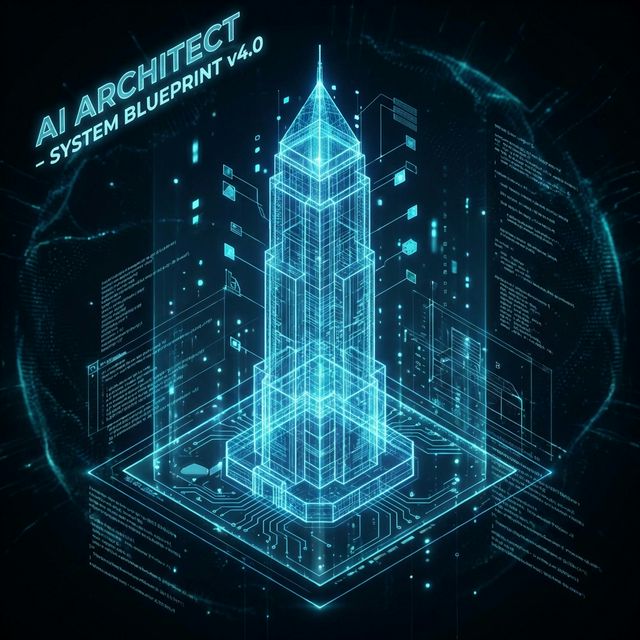
BRICKLAYER vs. ARCHITECT
The financial advisory industry is at a crossroads. The old way is manual "bricklaying"; the new way is designing outcomes and letting AI agents do the labor.

- Hunting for data and copying notes between systems.
- Rebuilding workflows and deliverables from scratch every time.
- Time diverted from insight, planning, and relationships.
- Limited by human hours and bandwidth.
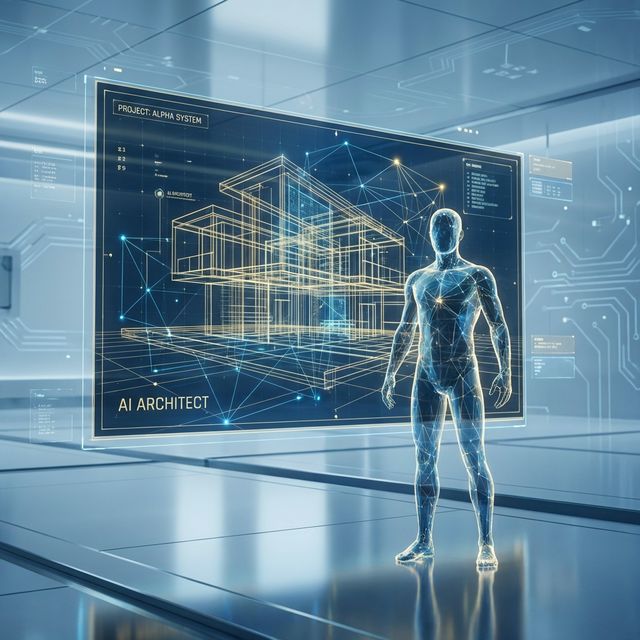
- Designs the ideal client and advisor experience.
- Lets AI agents handle prep, transcription, compliance, and follow‑through.
- Scales impact across hundreds of relationships, not dozens.
- Leverages the full AI hierarchy for exponential leverage.
Data Foundations: Lakes & Warehouses
Before AI can learn, it must access. Data lakes hold raw multi‑format data; warehouses store curated, structured truth.
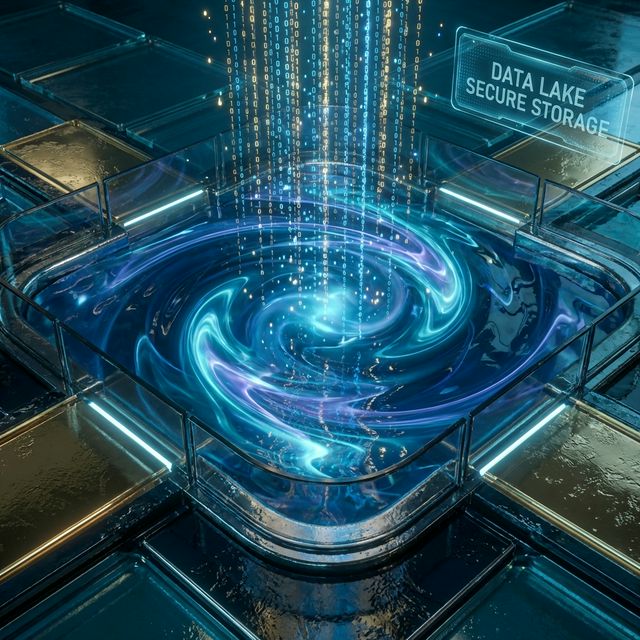
A centralized repository allowing significant data storage at any scale.
- Content: Raw, unstructured data (client emails, call recordings, PDFs, logs).
- Benefit: "Schema-on-read" allows meaningful analysis without prior standardization.
- AI Role: The training ground for custom models.
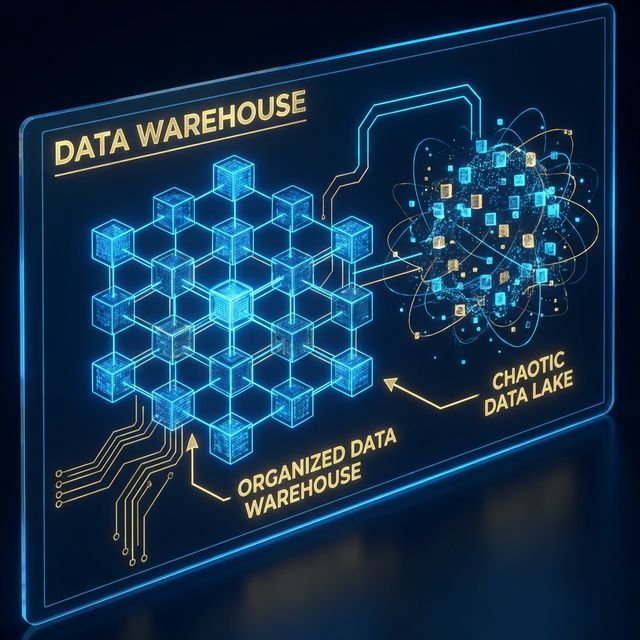
A system used for reporting and data analysis, providing a unified view.
- Content: Curated, structured data (AUM, CRM records, transaction history).
- Benefit: High performance for trusted business intelligence and reporting.
- AI Role: Provides factual grounding (RAG) to keep AI accurate.
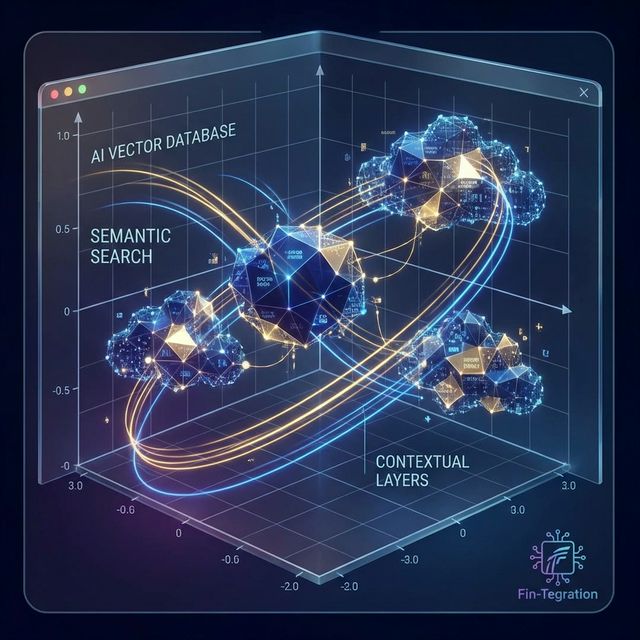
The Context Engine: Vector Databases
How does AI "remember" meaning? Vector DBs convert text, documents, and concepts into mathematical coordinates (vectors), allowing AI to find "related" ideas, not just keyword matches.
Search for "volatility" -> find "risk".
- Mechanism: Embeddings.
Infinite memory bank.
- Application: Recall client details.
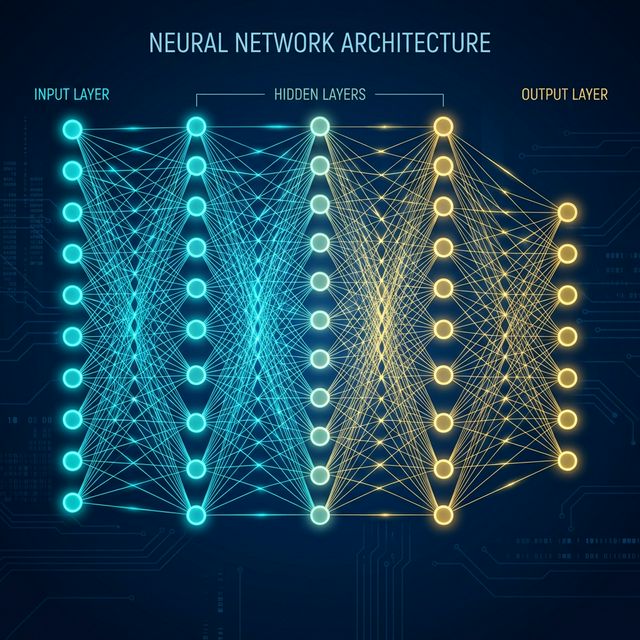
The Engine: Neural Networks
Inspired by the human brain, neural networks are the computing architecture that learns from data. They are layers of interconnected "nodes" that recognize patterns.
The Base: Foundation Models
Massive, pre-trained neural networks trained on internet-scale data. They are the "graduates" that know a little bit about everything before you hire them.
- Trained on billions of parameters.
- Understands world knowledge.
- Examples: GPT-4, Gemini.
- Trained on financial data.
- Becomes a specialist.
- Domain expertise.

Generative Intelligence: LLMs & VLMs
The interface layer where the Architect interacts. These models generate new content based on the patterns they've learned.
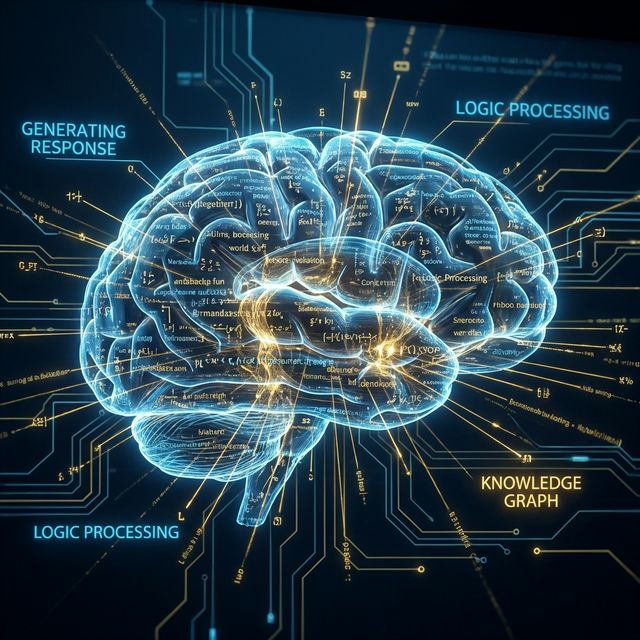
Mastery of Text & Logic.
- Function: Predicts the next word to generate coherent, human-like text.
- Use Case: Drafting investment theses, summarizing meeting transcripts, writing client emails.
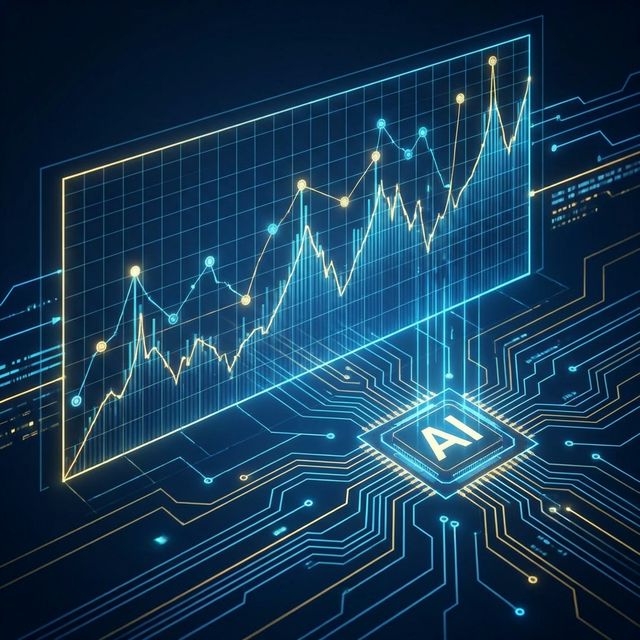
Mastery of Sight & Context.
- Function: Can "see" and "read" images, charts, and videos.
- Use Case: analyzing a client's handwritten tax return, interpreting a portfolio pie chart, or reading a fund prospectus graph.